Water-saving plumbing starts with identifying waste through simple checks: listen for drips, inspect stains, and note damp patches. Quick fixes can curb impact first, while low-flow fixtures offer 10–40% daily savings when feasible. Ongoing, habit-based audits catch leaks early and guide timely upgrades. Tie maintenance to budget, warranties, and practical choices to sustain measurable results. There’s more to consider before acting, and the next steps may surprise what actually saves water.
How to Spot and Fix Quick Leaks That Waste Water
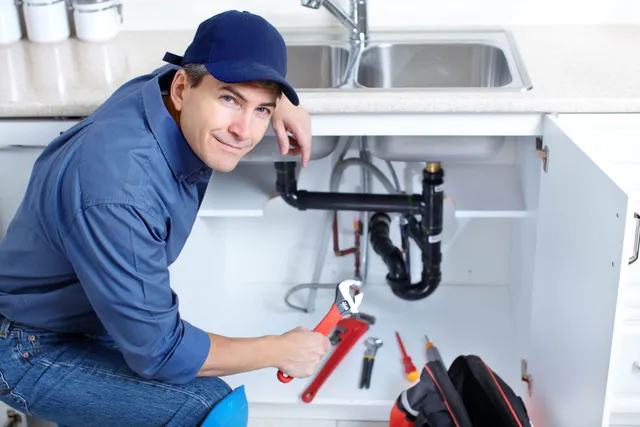
Identify common quick leaks in toilets, faucets, and pipes by inspecting for dripping sounds, mineral stains, and damp spots; prioritize fixes based on potential water waste, cost, and likelihood of recurrence.
The report emphasizes data-driven assessment of leak detection and quick fixes, avoiding overreaction.
Residents gain actionable criteria, enabling informed decisions, reduced waste, and clearer budgeting for maintenance and upgrades aligned with freedom.
Upgrade Fixtures: Low-Flow Choices That Save Every Day
Homeowners can extend the gains from leak detection by selecting low-flow fixtures that reduce daily water use without compromising performance.
The section analyzes curb; data shows proper flow rates cut consumption by 10–40% with comparable hygiene and comfort.
Two word discussion ideas: low flow fixtures, water saving upgrades.
Adoption depends on fixture efficiency, replacement timing, and consumer choice aligned with freedom and practicality.
Simple Habits for Big Water Savings Across the Home
Simple habits across the home can yield substantial water savings with minimal disruption. Consistent quick checks reduce leaks and prevent waste, translating to measurable daily gains. Monitoring water usage patterns reveals high-consumption fixtures and timelines for efficient operation.
Prioritize proactive maintenance, prompt repairs, and routine system audits to sustain savings. Leaks and Maintenance awareness underpin durable, freedom-focused conservation outcomes.
DIY Maintenance Routine to Keep Plumbing Efficient
A practical DIY maintenance routine keeps plumbing efficient by pairing routine checks with targeted, data-driven actions. Regular leak audits, fixture calibrations, and flow-rate monitoring inform decisions, while warranties and part lifespans guide replacements. Two word discussion ideas, subtopic not relevant to other h2s, underscore proactive planning. This approach supports informed choices, reduces waste, and sustains efficiency with measurable results.
See also: SEO Trends for Modern Businesses
Frequently Asked Questions
How Can I Detect Hidden Leaks I Can’T See?
A third-person explanation: Hidden leak detection relies on monitoring unusual, continuous water use and pressure changes, using smart meters and dye tests. Invisible water loss prompts professional inspection, equipment calibration, and systematic fixture checks to prevent waste and conserve resources.
Which Appliances Waste Water the Most and How to Fix?
High-water users include toilets, irrigation systems, and clothes washers. Improving appliance efficiency and conducting leak detection reduces waste; fix running toilets, install efficient models, and repair leaks promptly to optimize overall water use.
Do Water-Saving Devices Affect Water Pressure?
Do water-saving devices affect water pressure? They can minimally reduce pressure in tight systems, yet modern devices maintain adequate flow. Do water saving devices improve efficiency without compromising sensation of freedom, while providing measurable pressure stability and consistent performance? Data suggests modest, situation-dependent impacts.
Can I Use Greywater for Gardening Safely?
Greywater can be used for gardening with proper treatment; safety depends on source and contaminants. For reliability, employ greywater safety protocols, including pre-treatment and designated irrigation filters. Regular testing and maintenance ensure safe, freedom-respecting irrigation practices.
Are Drought-Tolerant Landscaping and Rain Barrels Worth It?
Drought-tolerant landscaping and rain barrels worth it, according to data. Drought tolerant landscaping reduces irrigation demand; rain barrels worth it for buffering supply and lowering utility costs. Combined, they offer resilience, cost savings, and water-use freedom for households.
Conclusion
A data-driven approach revealed the quiet truth: small leaks and habits accumulate. In one neighborhood, a homeowner’s quick fix eliminated a stubborn drip, saving hundreds annually—yet another resident’s routine audit uncovered a hidden leak behind a cabinet, avoiding costly damage. Coincidences aside, consistent checks and smart upgrades equal measurable savings. The pattern is clear: targeted fixes paired with low-flow fixtures and regular maintenance yield sustainable, budget-friendly water efficiency.